
New Construction vs Resale Homes: Which Is the Better Buy?
- Lionel Madamba

- Aug 12
- 6 min read
Buying a home is a tradeoff. New construction offers fresh finishes and fewer repairs. Resale homes often offer better locations, mature neighborhoods, and room to negotiate. The better buy comes down to budget, timing, lifestyle, and tolerance for future work.

New construction homes offer a clean start
A new construction home has a clear appeal. No one has lived in it. The roof, HVAC system, appliances, plumbing, and electrical systems are new. Many builders also include warranties, which can reduce repair stress during the first few years.
The biggest advantage is customization. Depending on the build stage, buyers may choose flooring, cabinets, countertops, paint colors, fixtures, and floor plan options. That matters if the goal is to move in without remodeling.
New homes also tend to reflect current buyer preferences. Open kitchens, larger closets, energy-efficient windows, smart thermostats, and dedicated work areas are common. Many new communities include sidewalks, parks, pools, and shared green space.
Still, new construction has drawbacks.
The base price can rise fast once upgrades enter the picture. Model homes often show premium finishes, not standard features. A buyer may fall in love with a kitchen layout, tile package, or lighting plan that costs more than expected.
There can also be delays. Weather, labor shortages, permit issues, and supply delays can move the closing date. That creates stress for buyers who must sell another home, end a lease, or relocate by a firm date.
New communities may also lack mature trees, established schools, and nearby shops at first. Some are built farther from city centers where land is available. That can mean longer commutes.
Resale homes bring location and character
A resale home has already been lived in. That can be a strength. Buyers can see the actual home, street, yard, sunlight, noise level, and surrounding neighborhood before making an offer.
Resale homes often sit in established areas. These neighborhoods may have mature landscaping, shorter drives to work, older main streets, and schools with long track records. For buyers who value location, a resale home can be hard to beat.
There is also more room to judge the true cost. Utility bills, property taxes, HOA fees, and repair history may be easier to review. A home inspection can reveal the condition of the roof, foundation, HVAC system, and major components.
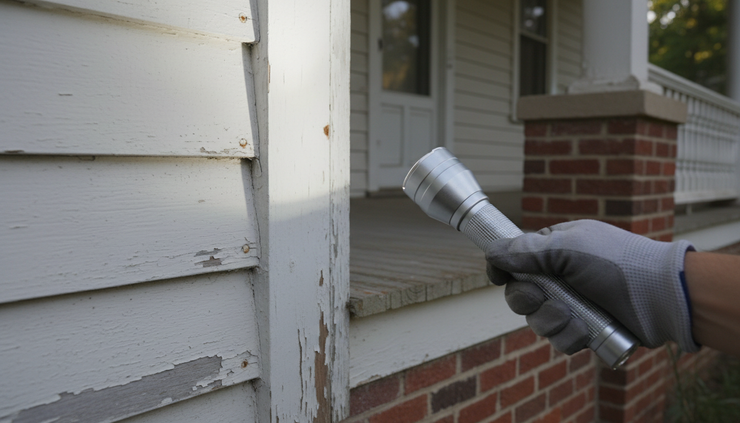
The main downside is maintenance. Older homes may need repairs right away or soon after closing. A worn roof, aging water heater, old windows, or outdated electrical panel can add thousands of dollars.
Resale homes can also require compromise. The kitchen may be dated. The layout may feel closed off. Storage may be limited. Renovating can fix those issues, but remodeling takes time, money, and patience.
Cost is more than the sale price
The cheapest option on paper is not always the cheapest over time.
New construction usually comes with a higher upfront price per square foot in many markets. Buyers may also pay for upgrades, landscaping, window coverings, fencing, appliances, and HOA startup costs. Some builders offer closing cost help or rate incentives, but the final price should include every add-on.
Resale homes may have a lower list price, but repairs can close the gap. A buyer who saves money at closing may spend it later on a roof, sewer line, flooring, or kitchen update.
Compare costs this way:
New construction
Resale home
Higher base price, possible upgrade costs, fewer early repairs, often better energy efficiency
More price variety, possible negotiation, higher repair risk, possible renovation costs
The best move is to compare the full first five years of ownership, not just the purchase price. Include insurance, property taxes, utilities, HOA fees, repairs, upgrades, and commuting costs.
This article is for general information only. Real estate decisions involve financial and legal details, so buyers should speak with qualified local professionals before making a purchase.
Customization depends on timing
New construction gives buyers the best chance to shape the home before move-in. That choice depends on timing.
If the home is still early in the build process, customization may be broad. If it is already framed or near completion, choices may be limited to finishes. If it is a completed inventory home, the buyer may get speed instead of design control.
Resale homes work differently. Customization happens after closing. That can be a good fit for buyers who want a specific neighborhood and do not mind projects. It can also help buyers spread improvements over time.
The tradeoff is disruption. Living through a kitchen remodel or flooring replacement is not easy. Hiring contractors can also be hard in busy markets.
Buyers who want a move-in-ready home may prefer new construction. Buyers who care more about location and long-term potential may prefer resale.

Location can decide the winner
Location often drives the decision more than the home itself.
New construction usually follows available land. In many areas, that means suburbs, outer neighborhoods, or master-planned communities. These areas may offer larger homes, modern layouts, and newer amenities. They may also require more driving.
Resale homes are more common in central areas and established suburbs. They may offer shorter commutes, better access to restaurants and services, and more mature streets. A smaller or older home in a strong location can hold appeal for many buyers.
Lifestyle matters here. A longer commute may be fine for a larger home and newer features. A smaller resale home may be the better choice if daily convenience matters more.
Market trends and buyer preferences are shifting
Recent housing markets have pushed buyers to weigh tradeoffs more carefully. Limited resale inventory in many areas has made new construction more attractive. Builders can add supply when existing homeowners choose not to sell.
Many buyers also like homes that need less work. Higher repair costs and busy schedules make move-in-ready homes appealing. That favors new construction and updated resale homes.
At the same time, location still carries weight. Buyers who want walkability, shorter commutes, or a specific school zone often focus on resale homes. Others choose older homes because they want larger lots or architecture with more character.
Interest rates also shape choices. In some markets, builders may offer financing incentives that resale sellers cannot match. In other cases, a resale seller may accept a lower offer or help with closing costs.
There is no single winner in the new construction vs resale homes debate. The better buy is the one with the strongest total fit.

FAQ
Is new construction more expensive than a resale home?
Often, yes. New homes can cost more because they include modern systems, new materials, and builder pricing. Upgrades can add to the final cost. A resale home may cost less upfront but need repairs or updates.
Do new homes have fewer maintenance problems?
Usually in the first few years. Major systems are new, and builder warranties may cover certain issues. Buyers should still inspect the home before closing.
Are resale homes better for location?
Often, yes. Resale homes are more common in established neighborhoods with mature trees, nearby services, and shorter commutes. New construction is often farther out where land is available.
Which option is better for first-time buyers?
Either can work. New construction may reduce early repair stress. A resale home may offer a lower price or better location. The right choice depends on total monthly cost, savings, commute, and repair comfort.
Should buyers get an inspection on a new construction home?
Yes. New does not mean perfect. An independent inspection can catch build issues before closing or before the builder warranty period ends.
The better buy is the one that fits the full picture
Choose new construction if the priority is modern design, fewer early repairs, energy efficiency, and some control over finishes.
Choose resale if the priority is location, mature neighborhoods, potential negotiation, and a home with established character.
Before deciding, compare the real numbers. Look beyond the list price. Add repairs, upgrades, taxes, HOA fees, utilities, commute costs, and timing risks.
If a home sale involves probate or an inherited property, the process can add extra steps. For help sorting through options, contact Probate Care with Lionel.
A smart buy is not always the newest home or the cheapest home. It is the home that fits the budget, the location, and the next stage of life.


Comments